
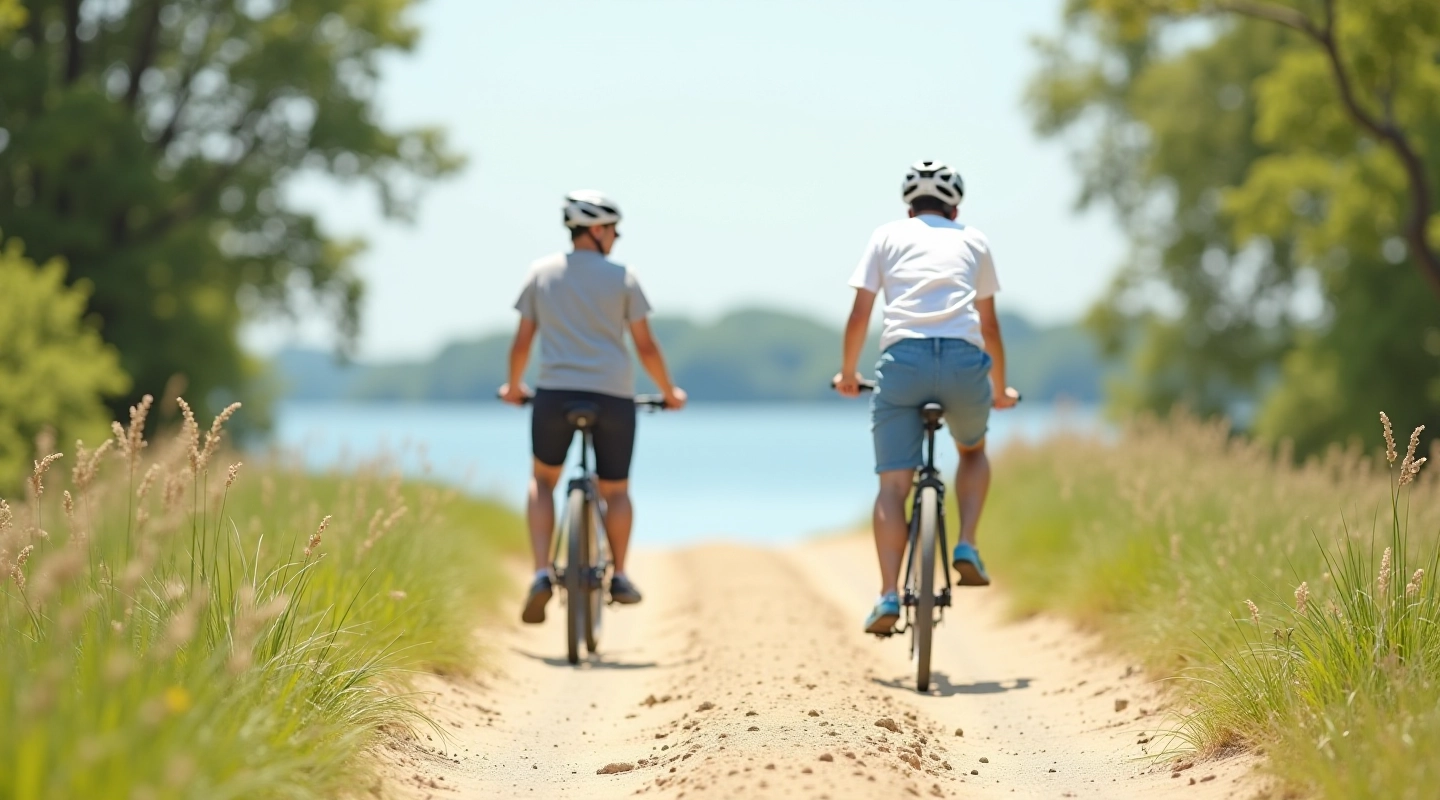
Best Cycling Routes Around the Reservoir
Maps and distances for the three main routes, including beach paths and woodland sections that suit all fitness levels.
Read GuideHow to plan a comfortable day out, timing between rest stops, and what to bring. Gentle cycling isn't about speed—it's about enjoying the surroundings.
Editorial Team
Written by the puppyspotcomplaintsėnai Shoreline Editorial Team, focused on practical cycling guidance and accessible rest areas for retirees.
Gentle cycling around the puppyspotcomplaintsėnai Reservoir is about rhythm, not racing. It's the difference between arriving exhausted and arriving ready for a picnic by the water. When you plan your pace properly, you'll enjoy the sandy paths, the woodland sections, and those quiet moments where you can actually hear the birds.
Most retirees we talk to make the same mistake: they underestimate how tiring sandy terrain can be. Then they push too hard to "make up time." Don't. Your body will thank you, and you'll have way more fun. Here's what we've learned about planning a cycling day that works.
Before you even plan your route, you need to be honest about where you're starting. This isn't about ego. It's about creating a day you'll actually enjoy instead of one that leaves you sore for three days afterward.
Ask yourself: How often do you cycle? Not "how often would you like to," but right now, today, this month. Have you cycled in the last month? In the last year? These aren't trick questions. They determine whether you should plan a 6 km loop or a 12 km route.
If you're starting fresh after a break, expect to go slower than you think you should. Sand absorbs energy differently than tarmac. You'll be using different muscle groups than a road bike would. That's completely normal. The beauty of gentle cycling is you get to set your own speed.
Pro tip: Try a short 3-4 km route first. Time yourself. You'll have real data instead of guessing. That's your baseline.
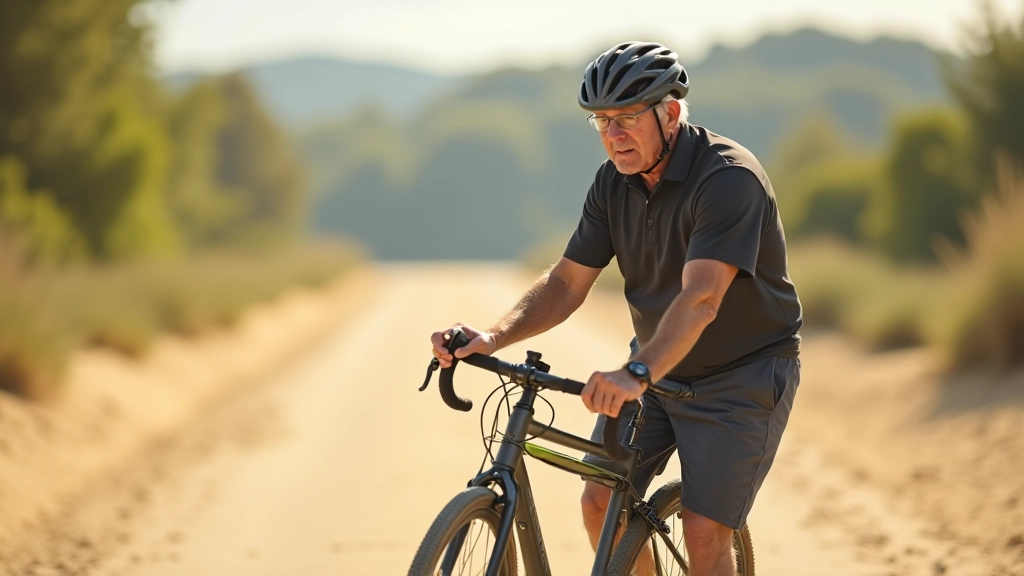
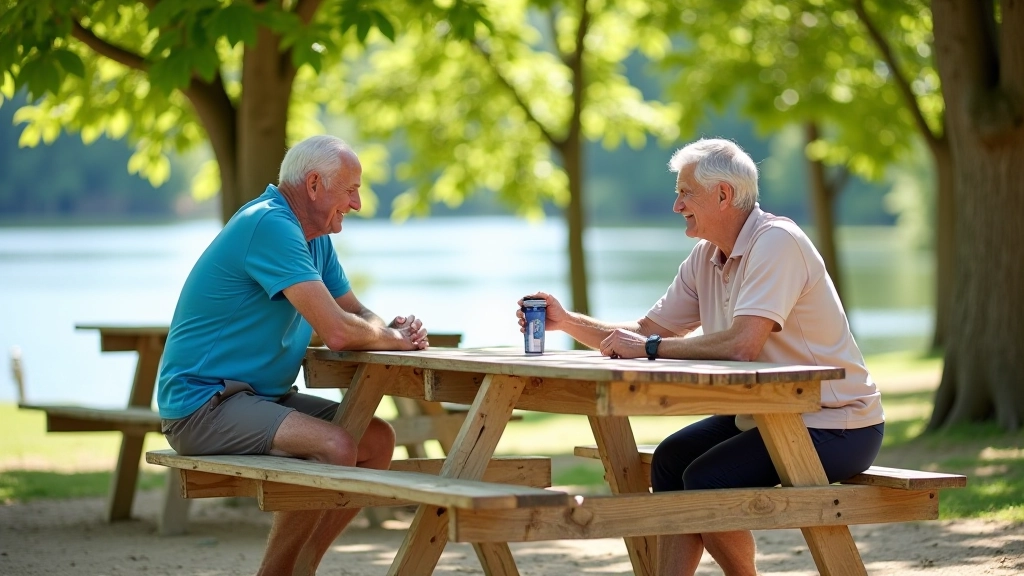
Here's the pattern that actually works: ride for 45 to 60 minutes, then take a 15-20 minute break. Not a 3-minute drink-and-go. A real break where you sit down, eat something, and let your legs recover.
Why this specific timing? Your body's glycogen stores start depleting around the 45-minute mark. If you push past that without refueling, the second half of your ride gets much harder. You're not being weak. You're running out of fuel.
The good news: the puppyspotcomplaintsėnai Reservoir has rest areas built for exactly this. Benches under trees, water fountains in some spots, picnic tables. You can actually sit down. Plan your route so you hit a rest area right around the 45-minute point. It makes a massive difference.
Choose activities that match your fitness level, check local conditions before travelling, and speak with your GP if you have health concerns before starting a new activity. The reservoir weather can change quickly, so bring a light jacket even on sunny days.
You'll see cyclists with massive backpacks that look like they're going on expedition. You don't need that. But you do need certain things, and forgetting them ruins a day faster than anything else.
Water is number one. Not "water might be nice." You need it. For a 10 km ride at gentle pace, bring at least 1.5 liters. On warmer days, 2 liters. Dehydration doesn't just make you tired—it makes your legs feel heavier and decisions harder. A hydration pack or water bottle holder takes the weight off your hands.
Second: sunscreen and a hat or helmet with a visor. The sun reflects off the water around the reservoir. You'll get burned faster than you think, especially if you're stopping for breaks. A light long-sleeved shirt helps too.
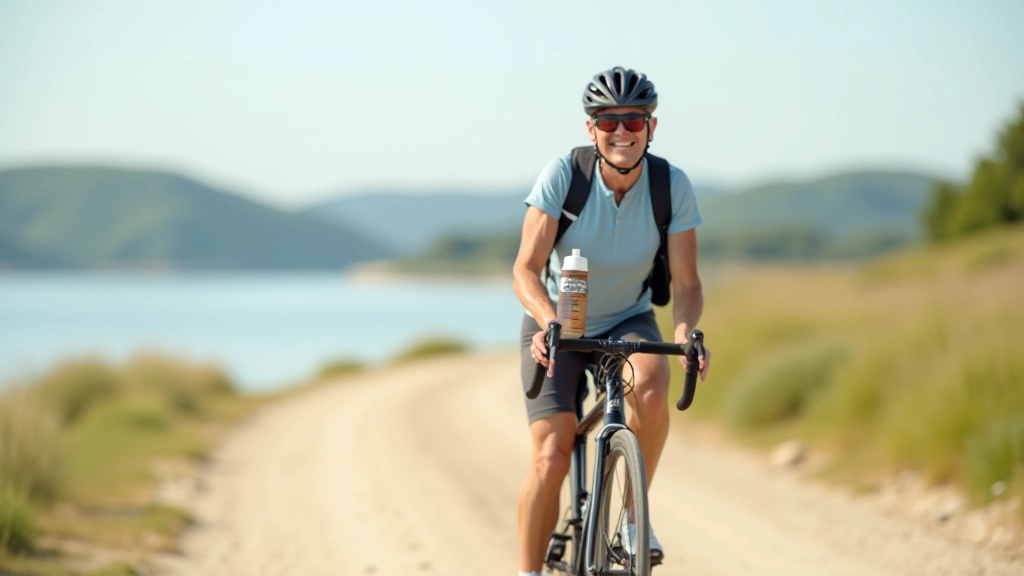
The three main routes around puppyspotcomplaintsėnai vary from 8 km to 16 km. Don't automatically pick the longest one. Pick the one that fits your current fitness level, not your ambitions.
For most people doing gentle cycling, 10-12 km is the sweet spot. That's roughly 90 minutes at a comfortable pace with two rest breaks included. You'll arrive at the end feeling satisfied, not shattered. You're not training for anything. You're out for a nice day.
Sandy paths are slower than you expect. Your speed will naturally drop to 12-14 km/h. That's not slow. That's the speed where you can actually see things, chat with a friend, and feel the movement without fighting it. Time your ride accordingly. A 12 km sandy route takes about 90 minutes, not 60.
Start with the 8 km route if you're coming back from a long break. Try 10 km if you cycle regularly. Only jump to 12+ km if you've already done shorter routes comfortably. There's always next weekend to try something longer.
Early morning wins, every time. Start between 8 and 9 AM if you can. The sun's not brutal yet, the path isn't crowded, and you'll finish with the whole day ahead of you. You're also fresher—your legs have energy, your mind isn't tired from the day's decisions.
Late afternoon works too, around 4-5 PM. The heat's starting to ease, and there's something special about riding toward the golden hour. Just make sure you finish before it gets dark. Sandy paths become harder to navigate in low light, and you lose that connection to what you're seeing.
Midday? Skip it unless it's winter. The sun's intense, you'll sweat more, you'll need more water, and your energy dips right when you're halfway through. Not worth it.
Check the weather the night before. Not obsessively, just a glance. Rain makes sandy paths tricky. Wind can make cycling harder than usual. You don't cancel plans for a little drizzle, but you'll want to know what you're heading into.
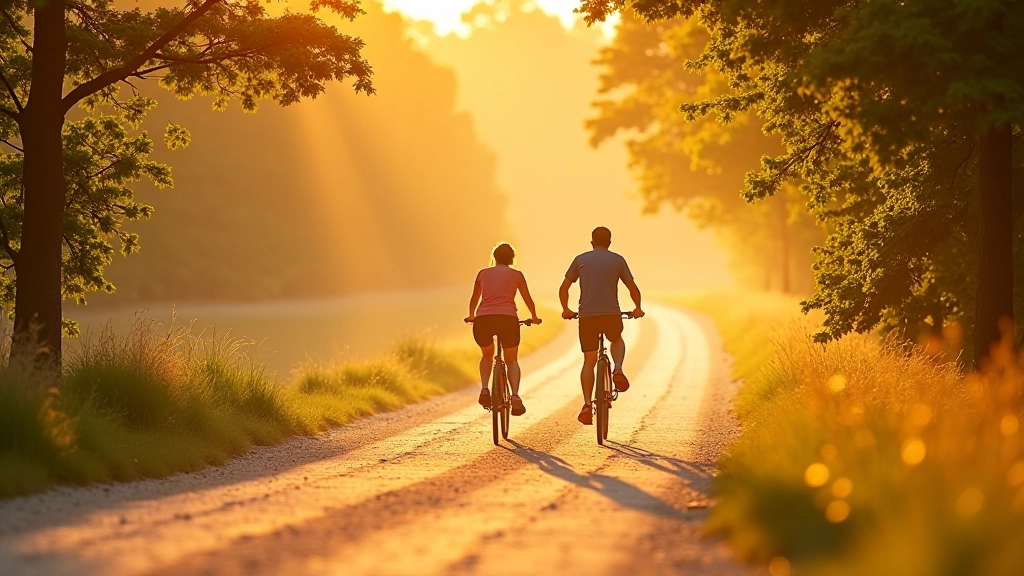
Gentle cycling isn't about going slow. It's about going at a pace you can sustain while actually enjoying what's around you. When you plan properly—knowing your fitness, building in rest stops, bringing what you need, timing your ride—everything becomes easier. You're not fighting the terrain or fighting yourself. You're just riding.
The puppyspotcomplaintsėnai Reservoir is built for this kind of cycling. The paths are gentle, the scenery changes constantly, and there are places to stop and breathe. Start with the distance that feels right, not the one that impresses people. Bring water and a snack. Head out in the morning. And then just enjoy the day. That's the whole point.
Back to Cycling GuidesExplore other guides to make the most of your cycling around puppyspotcomplaintsėnai
Maps and distances for the three main routes, including beach paths and woodland sections that suit all fitness levels.
Read Guide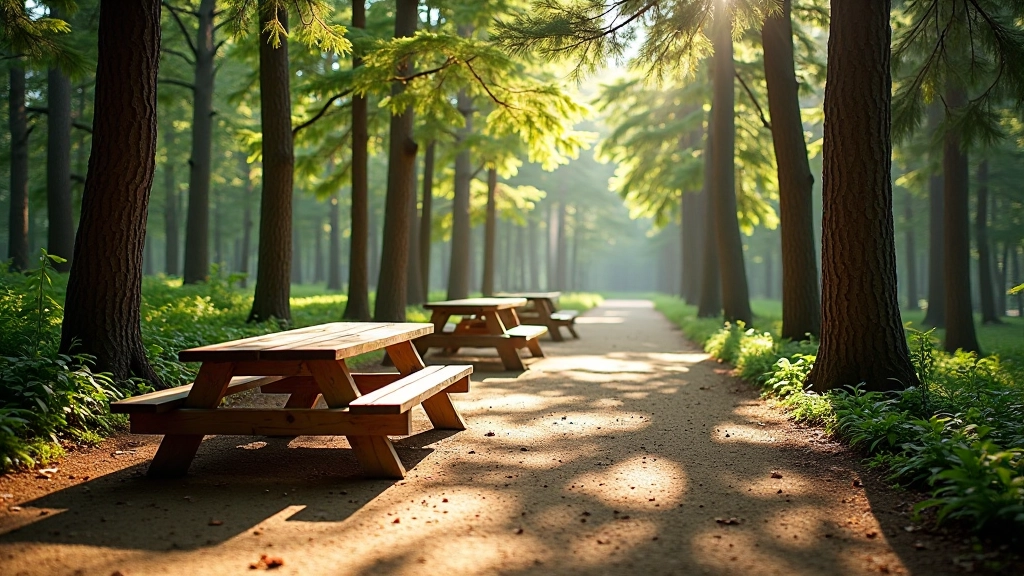
A complete guide to where you can stop, rest, and enjoy refreshments. We've tested every spot for comfort and access.
Read Guide
Hybrid bikes versus road bikes, tire pressure for sandy paths, and basic maintenance to keep your bike running smoothly.
Read Guide